
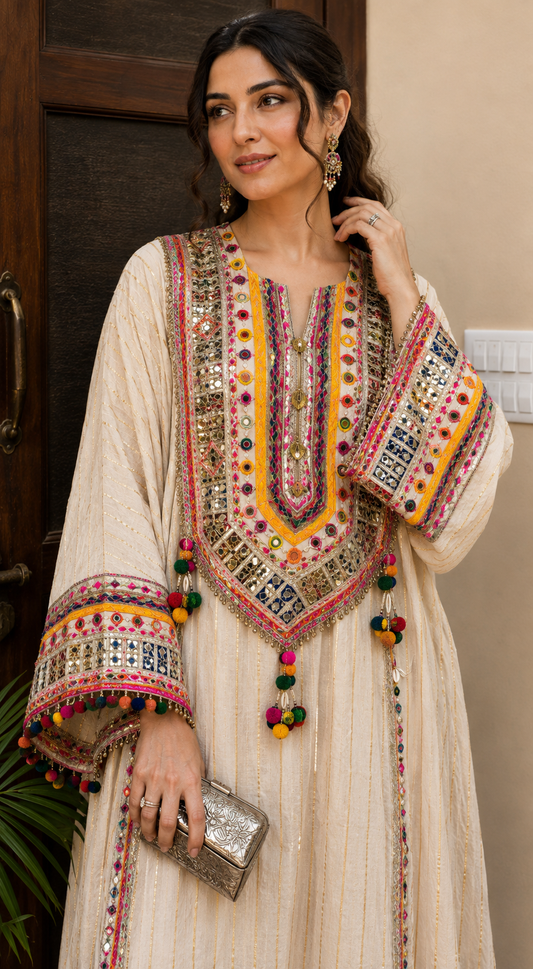

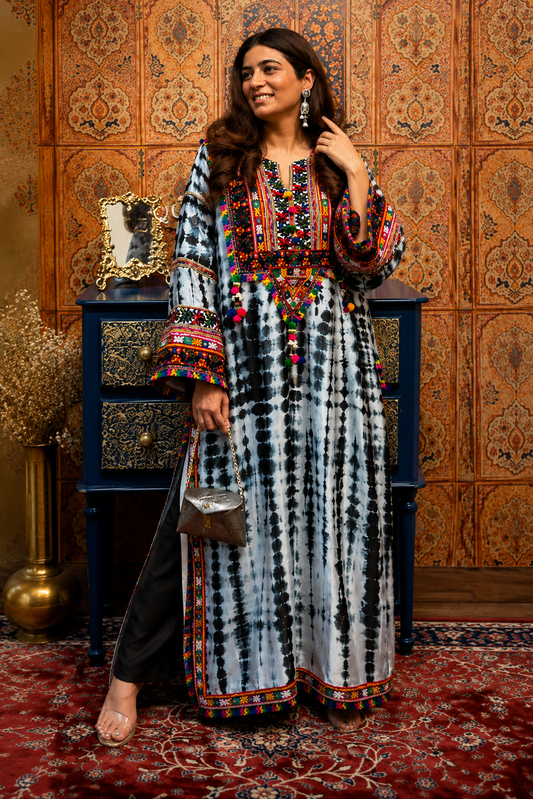


What Makes Khun Sarees Perfect for Ganesh Chaturthi Celebrations?

As homes fill with the fragrance of modaks, the sound of devotional aartis, and the joyful arrival of Lord Ganesha, choosing the right festive attire becomes part of the celebration itself. While Paithani and Nauvari sarees have long been synonymous with the festival, Khun sarees for Ganesh Chaturthi are quietly emerging as a cherished choice among women who appreciate heritage, comfort, and timeless craftsmanship. Rooted in the cultural heartland of Maharashtra and North Karnataka, the Khun saree carries a weaving legacy that spans over twelve centuries. Once woven as humble blouse pieces for everyday women, this remarkable textile has evolved into an elegant handloom saree that beautifully balances devotion with contemporary style. Before you choose your festive ensemble this Ganesh Chaturthi, it's worth discovering why this understated weave continues to hold such a special place in India's rich textile heritage.
What Is a Khun Saree?
A Khun saree is crafted from Khun (also known as Khana, Khann, or Khunn), a traditional cotton-silk handwoven fabric originating from Guledgudda in Karnataka and neighbouring regions of Maharashtra. Historically woven as blouse material for Ilkal sarees, Khun has since been transformed into full-length sarees that celebrate India's remarkable handloom traditions. Known for its lightweight feel, subtle silk sheen, and intricate woven motifs, including checks, floral butis, temple-inspired designs, and geometric patterns, the fabric offers the perfect blend of elegance and comfort. Today, Khun is celebrated not only for its craftsmanship but also for the cultural stories woven into every thread.

The History of Khun Sarees: A 1,200-Year Legacy Woven into Every Thread
Origins in the Chalukya Era
Every handloom has a story, and the Khun saree history is one of India's oldest yet least celebrated textile narratives. While exact historical records remain limited, oral traditions and textile scholars trace the origins of Khun weaving to around the 8th century CE, during the reign of the Chalukya dynasty in the Deccan. The craft flourished in Guledgudda (also known as Gulegudda) in present-day Bagalkot district of Karnataka and gradually spread across neighbouring regions of Maharashtra, including Kolhapur, Sangli, and Solapur.

The Sacred Story Behind the Name "Khun" or "Khana"
The significance of Khun saree extends beyond its weave; it is deeply rooted in faith and devotion. Traditionally known as Khun, Khana, or Khann (खण), the fabric was often woven into blouse pieces that accompanied regional sarees. During religious festivals, these pieces were carefully folded into small triangular or square shapes and offered alongside sarees to goddesses in temples across Maharashtra and North Karnataka.

The fabric also shares a sacred connection with Goddess Yellamma Renuka, where Khun blouse pieces have long been presented as devotional offerings at the renowned Saundatti temple. Over generations, the textile evolved into more than a garment; it became a symbol of reverence, blessings, and cultural continuity.
Everyday Wear of the Deccan
Long before it found a place in contemporary festive wardrobes, Khun formed an essential part of daily life across the Deccan. It was primarily woven as blouse material for Ilkal sarees, making it a staple among farming communities in northern Karnataka and southern Maharashtra.
Its cotton-silk composition offered the ideal balance of comfort and elegance, while intricate woven motifs, including delicate dots, checks, floral butis, and temple-inspired patterns, added visual richness. These designs were never purely decorative; many symbolised prosperity, fertility, harmony, nature, and spiritual well-being, quietly reflecting the beliefs of the communities that wore them.
Decline and a Remarkable Revival
Like many traditional Indian handlooms, Khun weaving faced significant challenges with the rise of power looms and mass-produced textiles during the late twentieth century. Demand declined, weaving families in Guledgudda and surrounding regions gradually abandoned their looms, and the craft risked fading into history.
Fortunately, a renewed appreciation for India's textile heritage sparked its revival. Designers, handloom advocates, and conscious consumers began recognising Khun's remarkable artistry and cultural value. A defining moment came when Maharani Radhikaraje Gaekwad of Baroda embraced the Khun saree, helping transform its image from a rural blouse fabric into an elegant heritage textile.
It was awarded a Geographical Indication (GI) Tag in 2016, reflecting a broader commitment to protecting the authenticity of the textile, supporting local artisans, and ensuring that this centuries-old weaving tradition continues to flourish for generations to come. Today, full-length Khun sarees are celebrated as timeless handloom treasures, proving that traditions woven centuries ago continue to find new life in modern festive wardrobes.
Why Khun Sarees Hold Special Importance During Ganesh Chaturthi
Ganesh Chaturthi is much more than a festival; it is a celebration of faith, family, tradition, and cultural pride. From decorating homes and welcoming Lord Ganesha to attending community pandals and performing daily aartis, every ritual carries deep meaning. Naturally, the attire chosen for these ten days becomes an extension of that devotion. This is precisely why Khun sarees for Ganesh Chaturthi have remained a cherished choice for generations of women across Maharashtra and North Karnataka.
1. A Fabric Rooted in Maharashtra and North Karnataka
Few textiles share such a close geographical and cultural connection with Ganesh Chaturthi as Khun. The craft originated in Guledgudda, Karnataka, and gradually became an integral part of neighbouring Maharashtrian communities in Kolhapur, Sangli, and Solapur, regions where Ganesh Utsav is celebrated with exceptional grandeur.
Wearing Khun sarees for Ganesh Chaturthi is therefore more than a style choice. It is a way of honouring the weaving traditions that have flourished in the very heartland where Ganesh Chaturthi continues to be one of the most important cultural celebrations.
2. From Ritual Offerings to Festive Attire
The spiritual connection of Khun makes it especially meaningful during Ganesh Chaturthi. Traditionally, Khun blouse pieces were offered to goddesses in temples as symbols of devotion and gratitude. This sacred association transformed the fabric into more than a textile; it became part of religious customs passed down through generations.
Today, wearing Khun during Ganesh Chaturthi beautifully echoes that centuries-old tradition. Rather than offering the fabric itself, women now celebrate the festival by adorning a textile that has long been connected with worship, blessings, and reverence. It becomes an expression of devotion woven directly into what they wear.
3. Tradition Meets Comfort for Long Festival Days
Ganesh Chaturthi celebrations rarely last just a few hours. The ten-day festival often involves multiple aartis, visits to beautifully decorated pandals, family gatherings, community events, cultural performances, and the preparation of festive delicacies. Comfort becomes just as important as appearance.
This is where Khun sarees for Ganesh Chaturthi truly shine. Its signature cotton-silk blend keeps the wearer cool and comfortable even during long hours of celebrations, while the gentle silk sheen lends the elegance expected of festive attire. Unlike heavier silks that can feel restrictive, Khun offers graceful drape and effortless movement without compromising on tradition.
4. Supporting Handloom and Local Artisans
In recent years, Ganesh Chaturthi has also become a celebration of conscious living. Alongside eco-friendly idols and sustainable decorations, many families now choose to support regional artisans through their festive purchases.

Choosing a handwoven Khun saree directly contributes to preserving the livelihoods of weaving families in Guledgudda and neighbouring villages. Every purchase helps sustain a craft that has survived for over twelve centuries despite the challenges posed by mechanized textiles. It perfectly reflects the growing philosophy of "buy local, celebrate local," allowing tradition, sustainability, and craftsmanship to coexist beautifully.
5. A Natural Part of the Maharashtrian Festive Wardrobe
When people think of traditional sarees for Ganesh Chaturthi, names like Paithani, Nauvari, and Ilkal often come to mind. Khun sarees for Ganesh Chaturthi deserve an equally important place in that conversation. Its vibrant colours, delicate woven motifs, and timeless appeal pair effortlessly with classic Maharashtrian styling, whether it's a traditional nath, green glass bangles, temple jewellery, fresh gajra, or a handcrafted potli bag.
How to Style a Khun Saree for Ganesh Chaturthi
One of the greatest strengths of Khun sarees for Ganesh Chaturthi is their versatility. Whether you're attending a family puja, visiting community pandals, or hosting loved ones at home, the right styling can effortlessly elevate this heritage weave while allowing its craftsmanship to remain the focal point.
For a classic Maharashtrian-inspired look, pair your Khun saree with:
● traditional temple jewellery
● a delicate nath (nose ring)
● green glass bangles
● gold jhumkas

Finish the look with a neatly tied bun adorned with fragrant jasmine flowers (gajra), creating an ensemble that feels timeless and festive.
If you prefer a contemporary aesthetic, choose:
● minimalist gold jewellery or
● handcrafted silver pieces
to let the intricate woven motifs take centre stage. Structured blouses with boat necks, elbow sleeves, or subtle puff sleeves complement the saree beautifully while adding a modern silhouette.
Your choice of accessories also makes a difference. A handcrafted potli bag or a woven clutch pairs naturally with the artisanal character of Khun, while embroidered Kolhapuris or classic mojaris offer both elegance and comfort for long hours of festivities.
When selecting colours, embrace shades that reflect the festive spirit of Ganesh Chaturthi.
● Emerald green for prosperity
● Vermilion red for strength and devotion
● Turmeric yellow for auspicious beginnings
● Deep maroon and royal purple for regal sophistication
These vibrant hues beautifully highlight the woven texture of Khun and photograph wonderfully during daytime celebrations.
Ultimately, styling a Khun saree isn't about following trends; it's about celebrating India's textile heritage with confidence, allowing every carefully woven thread to become part of your festive story.
Conclusion
In an age of fast fashion and fleeting trends, choosing a Khun saree is a beautiful reminder that true style is often rooted in heritage. With a history spanning over twelve centuries, a deep connection to devotion and ritual, and the comfort needed for long festive celebrations, Khun sarees for Ganesh Chaturthi offer far more than visual appeal. They carry stories of artisans, communities, and traditions that continue to thrive through every handwoven thread.
This Ganesh Chaturthi, consider embracing a textile that reflects both cultural pride and conscious fashion. Whether you're attending a family aarti, visiting pandals, or hosting celebrations at home, a Khun saree allows you to honour tradition while celebrating timeless craftsmanship.
At Reet Lifestyle, we believe India's most beautiful stories are woven into its textiles. Explore our thoughtfully curated collection of khun sarees, handloom-inspired ethnic wear, festive sarees, and timeless Indian ensembles designed to celebrate every occasion with elegance, authenticity, and cultural pride. Whether you're in the USA, Canada, or anywhere around the world, discover Indian fashion that keeps heritage at the heart of every celebration.


