



The Ultimate Wedding Outfit Guide for Women for Haldi, Mehendi, Sangeet & Reception
Indian weddings are magical, emotional, and beautifully chaotic all at once. One moment you’re dancing at a sangeet rehearsal, the next you’re attending a daytime haldi ceremony, and before you know it, you’re planning outfits for four different events in three days. The biggest question every guest, and often even bridesmaids, asks is: What exactly should I wear to each function? That’s where a thoughtful wedding outfit guide for women becomes essential. Each wedding function carries its own mood, traditions, and styling expectations. Wearing the right outfit isn’t just about looking good; it’s about feeling comfortable, confident, and appropriately dressed for the occasion.

Modern wedding fashion has evolved beyond heavy, one-time outfits. Today, women want looks that are stylish yet wearable, festive yet comfortable, and glamorous without feeling overwhelming. From breezy haldi ensembles to statement-making reception outfits, the secret lies in understanding the personality of each event.
This guide breaks down exactly what to wear for haldi, mehendi, sangeet, and reception functions, helping you plan effortlessly while enjoying every celebration in style.
Understanding Wedding Function Fashion
Before choosing outfits, it helps to understand why Indian weddings require different styles for different events. Each function follows a natural progression, from relaxed daytime ceremonies to grand evening celebrations, and your clothing should reflect that shift.
Daytime events typically call for lighter fabrics, softer colours, and easy silhouettes. Comfort plays a major role because these functions often involve movement, outdoor venues, and long hours of socialising. Evening celebrations, on the other hand, allow more drama, richer colours, embellishments, and structured designs that shine under artificial lighting.
Another important factor is practicality. Weddings today involve dancing, photography, travel between venues, and extended celebrations. Outfits need to look stunning while still allowing you to sit comfortably, move freely, and enjoy yourself without constant adjustments.
Think of wedding dressing as storytelling: each function reveals a new chapter, and your outfit evolves along with it.
Haldi Outfit Guide
The haldi ceremony is joyful, intimate, and filled with laughter. It’s one of the most relaxed wedding functions, which means your outfit should feel fresh, light, and easy rather than overly formal.

Colours & Mood
Yellow naturally dominates Haldi celebrations, symbolising positivity and prosperity. However, modern styling allows variations like mustard, ivory, pastel green, peach, or floral prints. Soft tones photograph beautifully in daylight and enhance the cheerful atmosphere.
Ideal Outfit Choices
Lightweight silhouettes work best for haldi ceremonies:
● Flowy lehengas with minimal embroidery
● Sharara or gharara sets
● Cotton or chiffon anarkalis
● Indo-western co-ord sets
● Printed skirts paired with crop tops
Since turmeric ceremonies can get messy, breathable fabrics like cotton blends, georgette, or organza are practical choices.
Styling Approach
Keep jewellery minimal, think delicate earrings or simple bangles. Comfortable juttis or flats are ideal since you’ll likely be standing or moving around frequently.
Hair and makeup should feel effortless: soft waves, braided styles, and fresh, dewy makeup complement the daytime vibe perfectly.
The goal for haldi dressing is simple: look festive while staying completely comfortable.
Mehendi Outfit Guide
If Haldi is relaxed, Mehendi is a pure celebration. It’s colourful, energetic, and filled with music, laughter, and intricate henna designs. Your outfit should reflect this playful spirit.

Comfort Is Key
You’ll spend long periods sitting while mehendi is applied, so avoid heavy dupattas, tight sleeves, or restrictive silhouettes. Breathability matters just as much as aesthetics.
Outfit Ideas That Work Beautifully
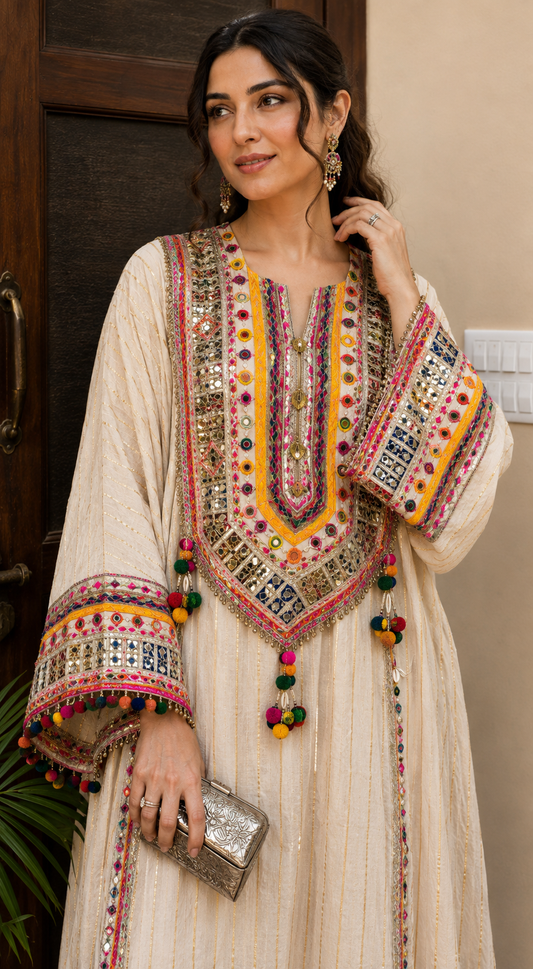
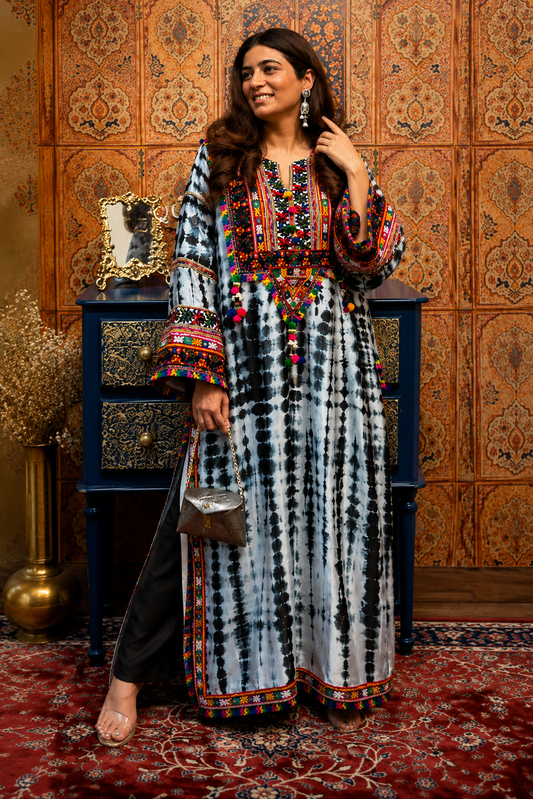
● Mirror-work lehengas
● Printed ethnic skirts
● Cape-style outfits
● Palazzo suits
● Fusion sharara sets
● Lightweight embroidered kurtas with skirts
Bright shades like green, pink, orange, and turquoise enhance the festive mood and photograph beautifully.
Styling Tips
Mehendi is the perfect time to experiment with statement earrings instead of heavy necklaces. Tassel earrings, chandbalis, or colourful stones add personality without discomfort.
Opt for hairstyles that keep hair away from freshly applied mehendi, braided ponytails, buns, or half-up styles work wonderfully.
Your mehendi look should feel expressive, vibrant, and effortlessly joyful, almost like a wearable celebration.
Sangeet Night Outfit Guide
The sangeet is where fashion truly turns glamorous. Music, performances, and dancing define the evening, so your outfit must strike a balance between sparkle and mobility.
The Sangeet Mood
Unlike daytime events, sangeet styling embraces drama: sequins, shimmer, bold silhouettes, and statement details all shine under evening lights.

Best Outfit Options
● Sequined lehengas
● Pre-draped sarees
● Indo-western gowns
● Jacket-style lehengas
● Contemporary sharara sets
● Structured crop top and skirt combinations
Choose fabrics that move with you. Lightweight sequins or layered fabrics create impact without heaviness.
Styling Focus
This is the moment for bold jewellery and elevated makeup. Statement earrings, layered necklaces, or metallic accents enhance the festive energy.
Footwear matters more than ever; block heels or embellished flats allow dancing without discomfort.
A successful sangeet outfit makes you feel confident enough to dance freely while still looking camera-ready throughout the night.
Reception Outfit Guide
The reception is the grand finale: polished, formal, and refined. Unlike earlier functions, reception fashion leans toward timeless elegance rather than playful experimentation.

Colour Palette
Deep jewel tones and sophisticated neutrals work beautifully:
● Emerald green
● Wine or burgundy
● Midnight blue
● Champagne gold
● Classic black or ivory
These shades create a luxurious presence suitable for evening receptions.
Outfit Choices
● Silk or satin sarees
● Embellished gowns
● Structured lehengas
● Minimal luxury ethnic ensembles
Clean silhouettes often feel more elegant than overly heavy designs.
Styling Philosophy
Reception styling is about balance. Pair refined jewellery with sleek hairstyles like low buns or soft waves. Makeup can be slightly more dramatic, defined eyes or bold lips enhance evening glamour.
The reception look should feel timeless enough that you’d still love photos years later.
Smart Styling Tips for Planning All Wedding Outfits
Planning outfits for multiple wedding functions can quickly feel overwhelming, especially when each event demands a different mood, colour palette, and level of formality. Instead of treating every outfit as a separate decision, the smartest approach is to plan your entire wedding wardrobe as one cohesive story. A few thoughtful strategies can make the process easier while ensuring you look fresh and stylish at every celebration.
1. Plan Outfits Together, Not Separately
One of the most common mistakes people make is choosing outfits individually without considering how they look as a collective wardrobe. Lay out all your planned looks, or at least visualise them together, before finalising anything. This helps you avoid repeating similar colours, silhouettes, or embroidery styles across functions.
For example, if your mehendi outfit is vibrant and heavily printed, you might opt for something softer and more elegant for the reception to create contrast. Seeing the bigger picture ensures variety while maintaining harmony across your overall wedding style.
2. Repeat Strategically Instead of Buying Excessively
Repetition isn’t a styling mistake; visible repetition is. Smart styling means reusing pieces creatively so they feel new each time. A statement dupatta can transform a simple outfit, while the same blouse styled with a different skirt or saree instantly creates another look.
Jewellery is especially versatile. Statement earrings worn alone at a haldi can later be paired with layered necklaces for a sangeet. This approach not only saves effort and cost but also creates a curated, intentional aesthetic rather than an overstuffed wardrobe.
3. Choose Breathable Fabrics for Long Celebrations
Wedding functions often last longer than expected, involving dancing, socialising, and moving between venues. Fabrics that look beautiful but feel heavy can quickly become uncomfortable.
Opt for breathable materials like georgette, chiffon, organza blends, silk blends, or lightweight embroidered fabrics. Comfort directly impacts confidence. When you feel physically at ease, your posture, energy, and overall presence naturally improve.
4. Consider Venue, Weather, and Timing
Your outfit should work with the environment, not against it. Outdoor daytime ceremonies call for lighter fabrics, softer colours, and minimal layering. Evening indoor events allow richer textures, darker tones, and heavier embellishments.
Also consider seasonal factors. Summer weddings favour airy silhouettes and pastel palettes, while winter celebrations allow velvet accents, layered dupattas, and deeper jewel tones. Dressing appropriately for the setting ensures you remain comfortable while still looking polished.
5. Think About Photography and Lighting
Wedding memories live forever through photographs, so styling with photography in mind makes a real difference. Bright daylight enhances softer shades and subtle embroidery, while evening lighting highlights shimmer, metallic tones, and structured silhouettes.
Avoid wearing extremely similar colours across multiple functions, as photos may start to look repetitive. Mixing textures, matte fabrics with light embellishments or flowy silhouettes with structured elements, helps each look stand out visually.
A thoughtful, well-planned approach transforms wedding dressing from stressful decision-making into an enjoyable, creative process. When your outfits feel coordinated yet distinct, your entire wardrobe looks intentional, stylish, and effortlessly put together, allowing you to focus on celebrating rather than worrying about what to wear next.
Common Wedding Outfit Mistakes to Avoid
Even the best outfits can fall flat if common styling mistakes sneak in. Overdressing for daytime functions, choosing heavy outfits that restrict movement, wearing similar colours across all events, ignoring comfort for trends, and not coordinating accessories with necklines. Avoiding these pitfalls helps every look feel intentional and effortless.
Conclusion
Indian weddings are about connection, celebration, and unforgettable memories, and your outfits should enhance that experience rather than complicate it. When you understand the personality of each event, dressing becomes exciting instead of stressful.
A thoughtful wedding outfit guide for women isn’t about owning countless outfits; it’s about choosing pieces that reflect the mood of each celebration while staying true to your personal style. Light and cheerful for Haldi, vibrant for Mehendi, glamorous for Sangeet, and elegant for reception, each look tells a different story while still feeling unique to you.
The best wedding fashion happens when comfort meets confidence. When you feel at ease in what you wear, your energy naturally shines through, and that’s what truly makes any outfit unforgettable.
So as wedding season approaches, plan smartly, style creatively, and most importantly, enjoy every dance, every laugh, and every beautiful moment along the way.


